Pages

Showing posts with label DIY Natural. Show all posts

Friday, July 18, 2014

Herbal Glossary

Analgesic:  
relieves pain
Antioxidantprevents the production of harmful oxygen radicals. An antioxidant is an agent that inhibits or retards the oxidation of substances to which it is added.
AntisepticAn Antiseptic substance inhibits the growth and reproduction of micro-organisms. Antiseptic substances prevents putrefaction and infection. Generally speaking, an antiseptic substance is less effective than antibiotic substances in destroying specific bacteria but less invasive with generally less side effects.
AntispasmodicA substance that prevents or eases smooth muscle spasms. Examples of smooth muscle spasms are Digestive system spasms, Uterus spasms and Urinary tract spasms. (AKA Spasmolytic.)
Antiviral:Destructive to viruses. A substance that destroys or inhibits viruses in many ways. Evidence of antiviral properties in alternative (herbal and other) medicine is often anecdotal (as it is in conventional medicine) and not fully substantiated.
Carminative: A substance that relieves flatulence and abdominal distension. For the relief of discomfort and pain (cramps) associated with excessive build up of abdominal gas. It could also relieve gaseous distention of the abdomen and related painful spasms.
Cephalic: A substance that stimulates and clears the mind.
Diaphoreticpromotes perspiration (sweating)
Digestiveaids in the digestive process
DiureticCauses urine production. Release of water via urine.
Emmenagogue:Stimulates menstrual flow.
Expectorant:promotes the ejection of mucus (and other substances) from the lungs and other airways. Expectorants achieve this by reducing the viscosity of pulmonary secretions or by weakening the bond of these secretions to the walls of the lower respiratory tract.
Nervine:A nerve tonic, a medicine that acts therapeutically upon the nerves, particularly in the sense of a sedative that serves to calm ruffled nerves.
Sedative:a substance that has a calming effect, reducing nervous excitement. Sedatives calm, reduce irritability and reduce activity of some or all of the body's organs. Not all substances have the same sedative effect some affect specific organs while not calming others and often affect different people in different ways.
Spasmolyticable to relieve spasm of smooth muscle
Tonic:A general term that describes a substance that induces a feeling of well being to the body.
Vasodilator:gents that act as blood vessel dilators (vasodilators) and open vessels by relaxing their muscular walls.
Vulnerary: aid the healing of wounds (arrests bleeding and prevents tissue degeneration)


Mountain Rose Herbs. A herbs, health and harmony c

Saturday, July 12, 2014

Homemade Natural Deodorant Sticks!


 The Ingredients:

Directions:

I have a dedicated quart jar that I use as a makeshift double boiler.  That way I don't have to worry about messing up a good pot (mainly a problem when using Zinc for sunscreen), and I don't have to wash it because most ingredients for making lotions and bars are the same.  

So.. placing the jar in a pot with about an inch of water, add the beeswax, shea butter, and coconut oil and heat until completely melted. Stirring frequently.
Remove from heat and allow to cool slightly so as not to kill the probiotics when added.  

Add cornstarch, baking soda, probiotics, and any essential oils your using. (you can open the probiotics capsules by gently pinching and twisting apart the two haves of the capsule.)

Mix well.


Quickly poor/spoon mixture into molds or deodorant stick containers. Allow to cool for several hours before using.

Recipe as listed above made 4 sticks and a little extra. The sticks stay molded, but they will not be as solid as store bought deodorant.  You will need to only push up as much as you plan to use.

Purpose behind ingredients and Why it works!

Body odor is caused by bacteria which grows in the moist areas such as your under arms.
  • Both coconut oil and the essential oils suggested have natural antibacterial qualities which keep these little buggers from growing and smelling.  
  • The essential oils also have a pleasant smell that is good in and of itself. :)
  • Baking soda neutralizes the acids produced by the bacteria and help to maintain a normal PH under our arms which also controls smell
  • Corn Starch or Arrowroot powder (or other starch) absorbs sweat as well as the toxins that exit your body in your sweat.
  • Probiotics create a balance of beneficial bacteria to the body odor causing bacteria and help to maintain your body ph.
  • Shea butter and beeswax help create the solid deodorant form.

Mountain Rose Herbs. A herbs, health and harmony c

Natural Mosquito Repellent


Our family LOVES to go backpacking!  There is something to be said for hiking off into the woods getting away from it all (including other people) and roughing it.  The one thing I don't appreciate about backpacking is mosquitoes! It seems that the last few times we have gone, mosquitoes have been our biggest complaint... Maybe it is the drought we are in here in Cali, that leaves the water levels ripe for mosquitoes to breed, I don't know, but it has been a bug ridden season...


That being said, our main option for being mosquito free has just about always been DEET. While we have had no apparent adverse reactions to DEET, it is a chemical that can cause severe harm to humans.

"As a precaution, manufacturers advise that DEET products should not be used under clothing or on damaged skin, and that preparations be washed off after they are no longer needed or between applications.[16] DEET can act as an irritant;[4] in rare cases, it may cause severe epidermal reactions.[16]
In the DEET Reregistration Eligibility Decision (RED), the United States Environmental Protection Agency (EPA) reported 14 to 46 cases of potential DEET-associated seizures, including 4 deaths."


I have always had an aversion to DEET in principle, but hadn't found anything that worked equally well, or better.  Each time I put it on, I would give an inner cringe, knowing that I was putting poison on my body... I mean, anything that could melt clothing, wasn't something I was excited to put on my skin...

"DEET is an effective solvent,[4] and may dissolve some plastics, rayon, spandex, other synthetic fabrics, and painted or varnished surfaces including nail polish."


"Though DEET is not expected to bioaccumulate, it has been found to have a slight toxicity for coldwater fish such as rainbow trout[24] and tilapia,[25] and it also has been shown to be toxic for some species of freshwater zooplankton.[26] DEET has been detected at low concentrations in waterbodies as a result of production and use, such as in the Mississippi River and its tributaries, where a 1991 study detected levels varying from 5 to 201 ng/L.[27]"

So while browsing through the many articles and blogs on DIY natural home and personal care recipes I came across several options for making my own homemade mosquito spray. Most involved mixing a variety of essential oils with an alcohol or witch hazel base in a spray bottle.  Some called for straight lemon juice with water and alcohol, but I wasn't sure about spraying possibly sticky juice on myself.  I also wasn't to comfortable with spraying alcohol on my skin which can be drying and irritating, and I wanted to be able to spray on or near the face and hair as well. So even though I lack imagination, I had read that when making tinctures you can use both alcohol or vinegar as a menstruum, so I decided to use vinegar instead.


I also like to keep things as simple as possible so I omitted the water as well, but you could probably cut the vinegar 50/50 with water to both lighten the vinegar smell, and save a few pennies.

Here is a list of possible essential oils you could use in your blend.  I will give you mine below as I used what oils I had from this list, but you can experiment with others...

Mosquitoes – citronella, lemon eucalyptus, peppermint, lemon, eucalyptus, catnip, basil, clove, thyme, lemongrass, geranium, lavender
Fleas – cedarwood, citronella, eucalyptus, tea tree oil, lemongrass, lavender, orange, pine,
Ticks – rose geranium, juniper, rosewood, thyme, grapefruit, oregano


Ingredients:

  • 2 oz Vinegar (or 50/50 mix of water to vinegar, alcohol, or witch hazel)
  • 10 drops each essential oils
    • Eucalyptus
    • Lemon
    • Peppermint
    • Lavender
    • Basil

Directions:

Fill 2 oz spray bottle leaving just a little room (I used a salvaged perfume spritzer from my medicine cabinet that I hadn't used literally in years), or you can use an amber spritz bottle. Add the essential oils. Shake before each use.


Wellness Mama suggests using 30-50 drops of oil to 8 oz of liquid. Perhaps because I didn't use alcohol, but I found my 50 drops to 2 oz to be not quite effective enough against the hoards we dealt with on our last trip, but it did keep the majority at bay.  My daughter had 6 or more mosquitoes that maintained a perch on her pink hat.  No matter how many times we swiped at them they just hovered and then landed back on her hat again, so I finally got out the spray and spritzed her hat with it. The mosquitoes left it alone after that.  When they tried to bite through my pants I sprayed those as well and they stayed away, AND I didn't have to worry about melting my nylon quick dry pants, which was such a blessing. It also works great against the few mosquitoes we have around our house.

I have also since purchased a bug off blend that contains catnip in it, which I was excited to find out compared better than DEET in trials! I will report more on that when I get a chance to use it.

Wednesday, July 2, 2014

Magnesium Oil


Magnesium is a very important mineral found in leafy greens, nuts, and legumes as well as other foods, yet most American still aren't getting enough dietary magnesium. According to one study magnesium deficiency combined with a high-fructose diet induces insulin resistance, hypertension, dyslipidemia, endothelial activation and prothrombic changes in combination with the upregulation of markers of inflammation and oxidative stress. Another study showed that bathing in a magnesium salt bath improved the hydration of the skin and reduced skin inflammation, redness and irritation.

Some of the many benefits and properties of magnesium are:

Energy and Muscle Production
  • Magnesium is necessary to breakdown the food we eat, particularly carbohydrate and fat into energy. It also allows the body to produce more Insulin-like Growth Factor (IGF-1), which is a major contributor to the growth and strength of muscles and is required by cells to produce ATP (adenosine triphosphate) the body’s main source of energy.
Muscle & Nerve Health
  • While approximately 60% of magnesium is found in bone structure, an important portion is found in the bloodstream (extracellular fluid) where it helps support proper muscle contractions and nerve health.
  • Relaxes the nervous system - Serotonin, which relaxes the nervous system and elevates mood, is dependent on Magnesium.
  • Better flexibility - Magnesium loosens tight muscles. Without Magnesium, muscles do not relax properly and cramps occur. Magnesium is important for flexibility, because low Magnesium results in a buildup of lactic acid, causing pain and tightness.
Hormone Health
  • Magnesium is also important in the production of thyroid hormones, adrenaline, and insulin, which are associated with carbohydrate and fat metabolism. Having these three hormones functioning properly is important for overall health, energy health and well-being.
Food Intake
  • Unfortunately, 59% of American adults do not consume adequate amount of this mineral. Common food sources of magnesium are: whole grains (brown rice, oat bran, whole wheat), dark green leafy vegetables, nuts and beans. If you do not consume enough of these magnesium-rich foods, a supplement may be beneficial.
Better sleep
  • The sleep regulating hormone melatonin is disturbed when Magnesium is deficient. Furthermore, Magnesium brings balance and controls stress hormones. Stress and tension are often reasons why people suffer from insomnia in the first place.
Bone integrity and strength
  • Magnesium helps to fix calcium properly. It may blow some people's mind that the calcium supplements they're taking are not only useless, but are actually contributing to osteoporosis! There are actually about eighteen essential nutrients that contribute to bone health; Magnesium is definitely one of the most essential, because it stimulates a particular hormone called calcitonin. And, it also suppresses a hormone called parathyroid that breaks down bone.
Remineralizes teeth
  • Magnesium deficiency causes an unhealthy balance of phosphorous and calcium in saliva, which damages teeth.
Alkalizes the body
  • Magnesium helps return the body’s pH balance. Magnesium reduces lactic acid, which is partly responsible for post-exercise pain (Delayed Onset Muscle Soreness).
Other benefits
  • Hydrates - Magnesium is a necessary electrolyte essential for proper hydration.
  • Helps to relieve constipation - Magnesium can be used to cleanse the bowels of toxins.
  • Enzyme function - Enzymes are protein molecules that stimulate every chemical reaction in the body. Magnesium is required to make hundreds of these enzymes work and assists with thousands of others.
  • Diabetes - Magnesium enhances insulin secretion, which facilitates sugar metabolism. Without Magnesium, glucose is not able to transfer into cells. Glucose and insulin build up in the blood, causing various types of tissue damage, including the nerves in the eyes.

Making your own magnesium oil is very simple.  I found the "recipe" if you can call 2 ingredients a recipe from here. However being the impulsive person that I am I purchased a different kind of magnesium than this recipe called for. YIKES!!  However, after doing more research I opted to use the magnesium options I had handy and with the same results.

Many of you are probably familiar with Epson Salt.  Until I began researching magnesium I was not aware the Epsom Salt was not made from sodium like table salt!  I know... but heh... cut me some slack... Until I took my chemistry class I had no idea that table salt wasn't the ONLY salt. sheesh!

At any rate, the magnesium I accidentally purchased was Magnesium Citrate powder which some folks had commented that it irritated their skin a bit.  Well I have never had overly sensitive skin, but I opted to mix my two magnesium sources 50/50 to minimize any sensitivities.  It is a regular recommendation for people to take Epson Salt baths, so this option is simply eliminating the need for a time consuming bath.

Ingredients:

(OR omit above two options and use 1/2 cup Magnesium Chloride)
1/2 cup water (distilled preferred, fluoride limits shelf life)

Directions:

Place the magnesium citrate and Epson salt in a glass bowl. Boil the water and pour over the powder mixture and stir until dissolved. Place in glass or plastic spray bottle and use daily spraying arms, legs and stomach about 10-20 sprays total.  You can moisturize 5 minutes after use and go about your day, or leave on for about 20 minutes and then shower to wash of residue.

This will feel sticky when you spray it on but dries without stickiness.

If you prefer to purchase your magnesium oil, you can do so here.

Leave a comment below if you have made magnesium oil or have used other magnesium supplements and what benefits you have found doing so.

References
Nature Made
Mind Body Green
Wellness Mama

Wednesday, June 25, 2014

Local Gems - Sacramento Food Co-op


I LOVE the Sacramento Food Co-op! I feel like I am not only supporting my own health by shopping there (whenever I can), but also that I am helping support a local community business focused on providing healthy and sustainable foods and products for those living in their community. The Co-op begain in 1973 as a food purchasing group. They expanded a couple of times over the years, and now have a store conveniently located in downtown Sacramento. Their purpose:

"To be a trusted source of natural foods and products, and a reliable resource for consumer information."

They have a great selection of natural, organic and grass-fed foods and products. Which is great! They also have a bulk herb section and an essential oils section which supplies most all of the essential oils for any projects on my blog.

BUT, probably my favorite thing about the co-op is all the great classes they offer.  From gardening, to fermenting, to growing your own foods, the co-op, partnering with other great places like Soil Born Farms, offers classes and reasonable rates.  If you are an owner at the co-op, which is like being a member or different ;), you get a discount on most all classes as well.

"2001 marked the year that we first opened the doors to our Co-op Community Learning Center, adjacent to the Sacramento store and home to cooking classes, health seminars and a variety of owner meetings and special events. We are committed to serving our Co-op owners and supporting our community through consumer education, owner meetings and events, outreach activities and charitable programs and projects."
I highly recommend checking them out if you haven't already! :)

Monday, June 23, 2014

Dry "Shampoo" - AKA No-Poo

Dry shampoo - sounds weird doesn't it?? When I first heard about this I thought, "that's crazy, it can't possibly work." But then I began my dive into all things (that I can manage) natural, I learned that it isn't not only possible, but it is better for your hair (which makes sense).

Our natural oils in our hair are their to help keep our scalp healthy and our hair strong and growing normally and naturally.  I had already embraced the idea of going two and sometimes 3 days between shampoos. People I have read about on other blogs go even longer or simply do not wash their hair in the traditional (commercial) sense at all. In fact, many commercial companies have come up with their own version of Dry Shampoo in order to keep up with the growing trend of waiting between lathering.

It seemed only natural for me to make the leap and give the dry shampoo a try, however I wasn't out to spend allot of money on chemical dry shampoos in pressurized cans. In fact, while researching I found that one of the ingredients in the homemade dry shampoos was corn starch... I wasn't sure I had some, but I had tapioca starch and didn't know if that would substitute well.  I actually found my corn starch, but then saw that Herbal Essence makes their commercial dry shampoo using tapioca starch! go figure!

Not only is it better for your hair to wait between washing, and to limit the amount of chemicals we use to strip our hair of its natural defenses, the idea of dry shampoo appealed to me from a preparedness perspective. What if there was an emergency or other event that limited our availability of fresh water. Some practiced alternative cleanliness methods would be great to have in our survival tricks.

At any rate, the recipe I ended up choosing was from... you guessed it... Wellness Mama! She has a couple of versions of her dry shampoo, including a spray version (which is not so much dry, but works the same way).  I chose the version for darker hair, since that's what I have, but then I modified it for red hair using cinnamon.  I tell you what... I smell absolutely YUMMY right now! :)

Ingredients for Red Hair:
  • 2 Tbls Corn Starch (or Tapioca Starch, or Arrowroot Powder)
  • 1 Tbls Cocoa Powder
  • 1 Tbls Cinnamon

Ingredients for Dark Hair:
  • 2 Tbls Corn Starch (or Tapioca Starch, or Arrowroot Powder)
  • 2 Tbls Cocoa Powder

Ingredients for Light Hair:
  • 4 Tbls Corn Starch (or Tapioca Starch, or Arrowroot Powder)
  • 5 Drops Essential Oil (Optional)
If using multiple ingredients you want to combine them before putting in your container.  I chose a spice jar with a cap so that my dry shampoo will be protected, on my bathroom sink, from any shower steam.

Once combined I used a funnel and small stick to get the powder into the spice jar.  I then shook the contents onto my scalp separating the hair line occasionally and working the powder onto my hair. I did this all over my head.


Here is a before pic of my oily hair.  It has been 3 days since I shampooed. You can see that it is shiny, and the strands kinda hang out together up there...

Once you have the dry shampoo worked into your hair well, you want to let it sit for at least a couple of minutes to let the powder absorb the excess oils in your hair.  Then you can shake, brush, or comb it out.

Here is the after pic.  You can see that my hair is no longer shiny/oily looking and the strains are separated and look more fluffy. (The color difference is due to the lighting differences of the location where I took the photos: above-Kitchen, below-bathroom)
It is my understanding that getting you and your hair used to using the dry shampoo is a bit of an adjustment period. 

Thursday, June 19, 2014

DIY Natural Sunscreen

Just in time for summer! Experiment number two... homemade sunscreen! :) I got the basic recipe from my favorite natural blogger Wellness Mama! I highly recommend her blog, she knows her stuff.

I wanted a more natural product for myself and my kids to use this summer, and one that won't pollute any water source with chemicals, etc. Those little beeswax pastilles take a while to melt, but all in all, it took less than 30 minutes to make including gathering the ingredients and materials to finished product.  Makes 1/2 pint jar worth of sunscreen (approx 1 cup).

This sunscreen is a "Physical Sunscreen". What that means is that this will block or reflect the UVA and UVB rays instead of absorbing them. According to Acne.org:
"Physical sunscreens: Physical sunscreens reflect or block the sun’s rays. There are two physical sunscreens: zinc oxide and titanium dioxide. Zinc oxide is the gentler of the two and offers superior sun protection. Physical sunscreens tend not to clog pores and stay effective all day long, no matter how long you are in the sun. However, products with physical sunscreens are drying to the skin, and due to the physical nature of zinc oxide and titanium dioxide, most brands go on white and leave the skin looking pale."
www.acne.org

We have addressed the drying factor with the natural oils used in this mixture, and also when I applied it to my hand there was no white residue.  I am very pleased with the feel, texture and appearance of this sunscreen. 


Ingredients:

  • 1/2 cup olive oil
  • 1/4 cup coconut oil (natural SPF 4)
  • 1/4 cup beeswax (or Emulsifying wax, Soy wax, Carnauba wax or Candelilla wax)
  • 3 Tablespoons Zinc Oxide (This is a non-nano version that won’t be absorbed into the skin. Be careful not to inhale the powder). 
  • 2 tablespoons Shea Butter (natural SPF 4-5)
  • 1 tsp coconut extract for scent

Directions:

  1. Combine ingredients except zinc oxide in a pint sized or larger glass jar. I have a quart Ball jar that I keep just for making lotions and lotion bars (or you can use a double boiler.)
  2. Fill a medium saucepan with a couple inches of water and place over medium heat.
  3. Place jar in the pan with the water. (unless you are using a double boiler, then use as directed by manufacturer.)
  4. As the water heats, the ingredients in the jar will start to melt. Stir occasionally to incorporate. When all ingredients are completely melted (beeswax will take the longest to melt), add the zinc oxide, stir in well and pour into whatever jar/container you plan to use.  I used a pint sized jar.  (this makes just over 1 cup)
  5. Stir a few times as it cools to make sure zinc oxide is incorporated.
  6. Use as you would regular sunscreen. Best if used within six months.

Application:

This sunscreen can be applied immediately before sun exposure and will last all day unless it gets wet. It should be reapplied after sweating or swimming. This sunscreen should have an SPF of approximately 20+.  Please use caution as always while in the sun and test yours for desired use.

Updates: I added vegan wax options for use instead of bees wax, and for those who may have bee allergies.  Also, while Zinc-Oxide is bad for you internally, the non-nano versions will not be absorbed into the skin.  Like any powders you need to be careful not to breath it in as it will stick to the lining of the lungs. If you touch this with your finger you can feel the "stickiness" of it. Once it is in the lotion it no longer poses any risk... Unless you eat it?? it does smell yummy, after all. :) OH.. and don't accidentally snort your lotion while smelling how yummy it is. ;)

My Angel used it yesterday for swimming at her friend's house from about 1pm to late in the day.  She is darker skinned, but didn't burn. She said the water beaded up on her skin where she applied the sunscreen and stayed that way for over an hour of swimming.

Monday, June 16, 2014

Homemade Natural Deodorant

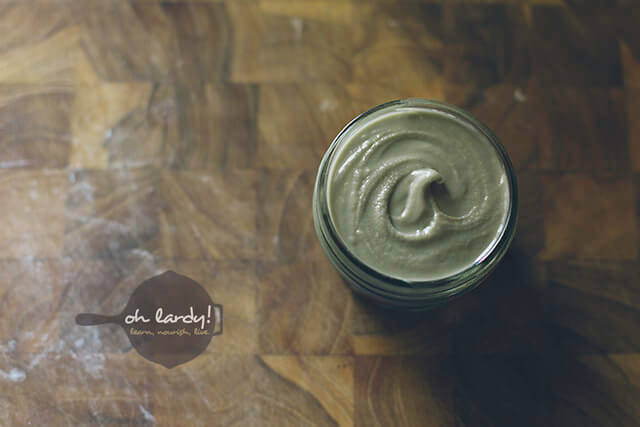
As part of my homesteading journey, and my desire to be more natural and more prepared should anything happen to us financially or otherwise, I have been researching various "do-it-yourself" natural cleaners and toiletries.  The first one I was able to try was this recipe for home made deodorant from Oh Lardy.

My friend Jackie introduced me to this as it is the one she uses as well. When I first used it, I warned my coworkers that I was trying my home made deodorant and for them to please let me know if they can smell my BO. :)  I have great coworkers so this went over with much joking, but they informed my at the end of the day that they didn't' smell me at all. Trial one successful. I have been using it for over a month now!

The second big trial which happened naturally, was when we went backpacking for 3 nights (Friday - Monday) just a couple of weeks ago. I was only able to apply the deodorant on Friday before we left. Let me tell you that it works! Even sticking my face in my armpit (you know you have done it before, too, so don't lie) I barely had any BO compared with other camping trips I have been on for less time! I am sold on natural deodorant!

Ingredient List:

Directions: 

Mix all of your ingredients together and store in a small jar in your bathroom.  Deodorant will be a paste.  To use, scoop small pea sized out with your finger or orange stick and apply with your fingers like a lotion. Use more if needed.

Purpose behind ingredients and Why it works!

Body odor is caused by bacteria which grows in the moist areas such as your under arms.

  • Both coconut oil and the essential oils suggested have natural antibacterial qualities which keep these little buggers from growing and smelling.  
  • The essential oils also have a pleasant smell that is good in and of itself. :)
  • Baking soda neutralizes the acids produced by the bacteria and help to maintain a normal PH under our arms which also controls smell
  • Bentonite Clay and Arrowroot powder (or other starch) absorbs sweat as well as the toxins that exit your body in your sweat.  Bentonite Clay is a well known detoxifying agent use in facial masks, body masks and also internally for detox purposes.

Now for the caveat... Coconut oil will liquefy at temps over 76 degrees. I have it on my upstairs bathroom counter and the coconut oil separates from the solids. This happens because my upstairs bathroom doesn't stay cool enough and the oil liquefies. Because the container I used was just big enough that the deodorant filled it to the top, this caused a small oil mess on my counter for the first couple of days (until I used enough out of the jar). I currently use a small nail tool to stir my deodorant before using, but I plan to alter my next batch with beeswax to make it more solid. I will post that recipe as I make it. :)